Rain Check or Green Light? The Real Risk Math on Booking Outdoor Events Early
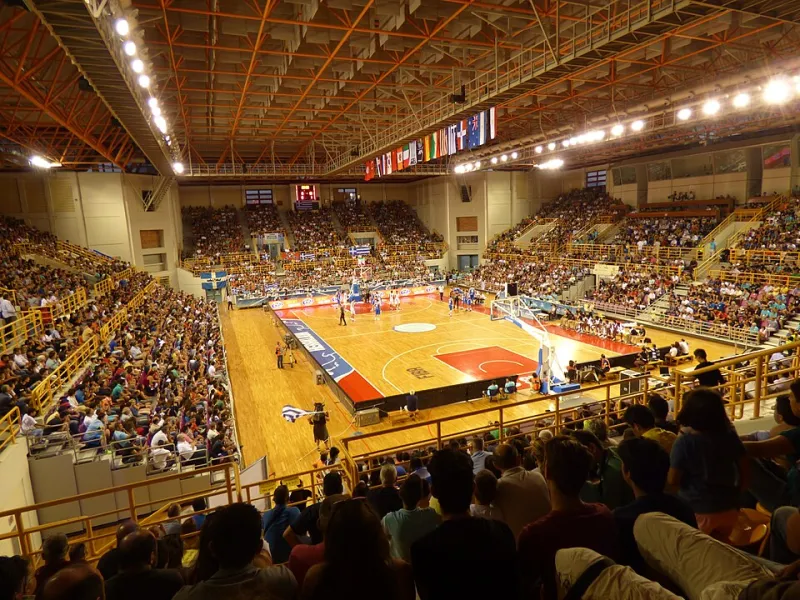
Photo: Mk2010, CC BY-SA 3.0, via Wikimedia Commons
Every spring, thousands of Americans do the same thing: they drop serious money on an outdoor event while snow is still on the ground. Festival passes in January. Lawn seats for an August show bought in March. Season tickets to a ballpark that won't open until the rainiest month of the year.
Sometimes it works out beautifully. Sometimes you're standing in a poncho watching a tarp cover the infield. So how do you know when booking early is smart and when it's just a weather gamble?
First, Understand What You're Actually Buying
Here's the part that surprises people: most outdoor events don't owe you anything if the weather turns bad. Read the fine print on almost any amphitheater ticket and you'll find the magic words—rain or shine.
What that means in practice:
- Rain or shine: The show happens no matter what. Short of a hurricane, you're going. No refund, no credit, no exceptions.
- Delayed, not canceled: A two-hour lightning delay isn't a cancellation. If the event eventually happens—even at 11:30 p.m.—your ticket was honored.
- Postponed to a new date: Usually your ticket carries over. But if you can't make the new date, you're often stuck reselling.
- Outright canceled: This is the only scenario where you reliably get your money back, and even then it's typically the face value minus fees, processed to your original payment method.
Festivals are their own beast. Many multi-day festivals will cancel a day entirely and still offer nothing, pointing to their terms of service. Some offer partial refunds or credits for a single-day washout; others offer nothing at all. Before you buy, find the event's weather policy and read it like a contract—because it is one.
The Risk Tiers of Outdoor Events
Not all outdoor bookings carry the same exposure. Think of them in three buckets.
Low risk — book early without much worry:
- Indoor venues with covered parking (obviously, but worth stating)
- Covered pavilion seats at amphitheaters—you'll get rained on walking in, but the show goes on comfortably
- Events in dry climates during their dry season (Phoenix in May, Vegas basically anytime)
- Events where the ticket is easily resellable even if the forecast looks ugly
Medium risk — book early, but hedge:
- Multi-day festivals in shoulder seasons
- Ballpark games in April or September, especially in northern cities
- Lawn seats anywhere east of the Mississippi
- Beach and waterfront venues where wind, not rain, is the real threat
High risk — maybe wait:
- Single-day outdoor concerts in late fall or early spring
- Events in hurricane-prone regions during hurricane season (June through November, Gulf and Southeast coasts)
- Festivals with notoriously strict no-refund policies
- Anything where you'd also be eating nonrefundable travel and hotel costs
A Simple Framework: The Three Questions
Before you hit buy on an outdoor event months out, ask yourself three things.
1. What's my actual downside? A $45 lawn ticket that gets rained out stings. A $600 festival weekend plus flights and a hotel is a genuine financial hit. Scale your risk tolerance to your total exposure, not just the ticket.
2. Is this event resellable? A popular artist's show will always have a resale market, even day-of with a bad forecast. A mid-tier act at a 20,000-seat amphitheater? If the radar looks rough, you might be eating that ticket.
3. Do I have a plan B? If the show gets washed out, is there anything else happening that weekend? If your whole trip hinges on one outdoor event, you're concentrated risk. If it's a bonus on top of a vacation you were taking anyway, book with confidence.
Timing Tricks That Actually Work
A few practical moves that tilt the odds in your favor:
- For baseball, book weeknight games in the summer. July and August weeknights in most MLB cities have the most stable weather and the cheapest tickets. April games are cheap for a reason.
- For amphitheaters, pay up for covered seats when the price gap is small. The difference between lawn and pavilion is often $20–30. That's cheap insurance.
- For festivals, watch the refund policy, not the lineup. A strong weather-credit policy is worth more than one extra act on the poster.
- Consider travel insurance for destination events. If you're flying to a beach festival, a policy that covers weather-related cancellations can pay for itself once.
- Check historical weather, not vibes. Sites like the National Weather Service's climate data let you look up rainfall and storm history for a specific date range in a specific city. Ten years of data beats a hunch.
The Bottom Line
Booking outdoor events early isn't inherently smart or dumb—it depends on the event, the season, the policy, and your tolerance for eating a loss. Lock in the things with covered seats, liquid resale markets, or forgiving refund terms. Wait on the single-day, uncovered, no-refund gambles until the forecast gives you a reason to commit.
The weather will do what it does. Your job is just to make sure that when it does, you're not the one holding a worthless ticket and a soaked lawn chair.