One Company, Every Seat: Inside the Quiet Monopoly Running Your City's Ticketing
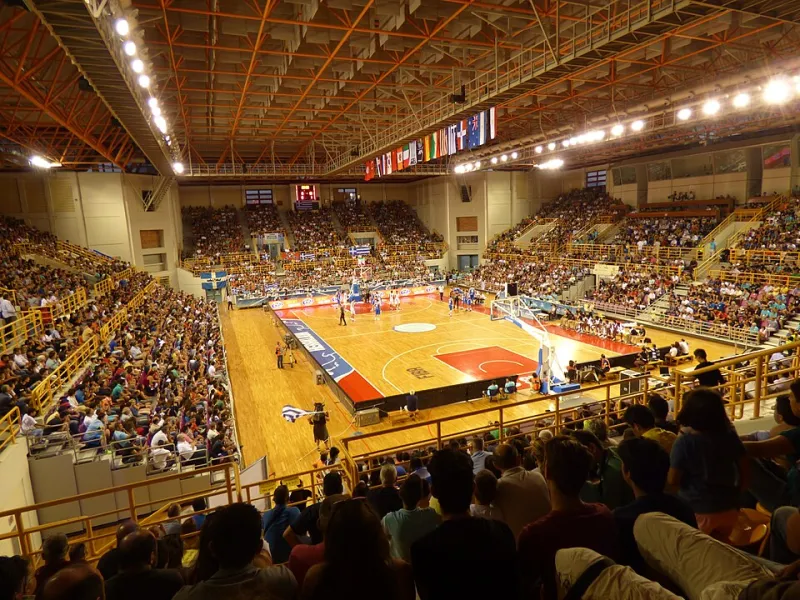
Photo: Georgekok-Greece, CC BY-SA 4.0, via Wikimedia Commons
Try a thought experiment. You want to see a concert at the biggest arena in your city. How many websites can you buy that ticket from?
If you're like most Americans, the answer is one. Maybe the venue's own site, which routes to the same platform anyway. This isn't an accident or a coincidence of the market. It's the result of exclusive ticketing contracts—long-term deals between venues, teams, and ticketing platforms that most fans have never read and most fans don't know exist.
What These Contracts Actually Are
When a major arena or stadium signs a ticketing deal, it's granting one company the exclusive right to sell tickets to every event in the building, often for five to ten years at a stretch. In exchange, the platform typically pays the venue an advance or a share of the service fees collected on every ticket sold.
That last part is the engine of the whole system. Those $15 to $40 per-ticket fees you see at checkout aren't just processing costs—they're a revenue stream the venue shares in. The contract effectively guarantees the platform a captive customer base, and guarantees the venue a cut of every sale whether the show sells out or flops.
For the venue, the logic is straightforward: predictable revenue, integrated operations, and often upfront money for things like new scoreboards or Wi-Fi upgrades. For the platform, it's a fortress. Once you control the box office for the main arena, the amphitheater next door, and the local MLB team, you control the market.
Why This Persists
You might ask: in a competitive economy, how does one company keep winning these deals?
A few reasons:
- Scale. The biggest platforms can offer integrated systems—access control, mobile entry, resale marketplaces, fan data—that smaller competitors can't match building by building.
- Switching costs. Moving a venue off an entrenched platform means retraining staff, migrating season-ticket-holder accounts, and rebuilding email lists. Venues rarely want that headache mid-contract.
- Bundling. Platforms often tie ticketing to other services: marketing, premium seating management, even sponsorship deals. It's hard to unbundle one piece.
- Incumbent advantage. Artists want to play buildings where fans already have accounts and saved payment methods. The network effect compounds.
The result is a market where competition exists on paper but rarely shows up at the arena door.
What It Costs You
The clearest impact is at checkout. In markets with a single dominant ticketing provider, fees tend to be higher and more opaque. When every venue in town uses the same platform, there's no competitive pressure to lower the service charge, because where else are you going to go?
There are subtler costs too. Exclusive contracts can limit how resale works—some platforms restrict where you can resell or how tickets transfer. They shape what data venues collect about you, and how that data gets used for dynamic pricing. And they can lock out alternative sales models, like venue-run box offices selling directly with no fees at all.
Not Every City Is the Same
There's real variation out there. Some markets have meaningful competition: a city where the NBA arena uses one platform, the baseball stadium another, and the amphitheater a third, plus a healthy state-regulated resale market. Other metro areas are effectively one-company towns from the arena to the ballpark to the pavilion.
A handful of venues and teams have also started going their own way—bringing ticketing in-house or signing with newer platforms to escape fee-sharing arrangements. A few high-profile team departures from the biggest platforms in recent years showed that switching is possible, even if it remains rare. And some cities have passed their own rules: New York, for example, has long required that resale tickets be transferable, which limits how tightly a platform can lock fans in.
Could Regulation Change Anything?
Ticketing has attracted more Washington attention in the last few years than it had in the previous few decades. Congressional hearings, FTC scrutiny of deceptive pricing practices, and proposed legislation have all targeted the same pain points: junk fees, bot purchasing, and anti-competitive behavior.
The proposals that matter most to fans generally fall into three buckets:
- All-in pricing mandates. Requiring the total price—including every fee—to be shown upfront. Several states have already moved on this, and federal proposals would make it national.
- Interoperability requirements. Rules that would make tickets transferable across platforms, breaking down the walled gardens exclusive contracts create.
- Antitrust action. The heaviest hammer: challenging whether exclusive venue deals, especially by a dominant player, unlawfully foreclose competition.
None of this is settled law. But the direction of travel is clear, and fans' frustration has made ticketing a rare bipartisan issue.
What You Can Do Right Now
Regulation moves slowly, but you have more leverage than you think:
- Check before you buy. Some venues sell directly at the physical box office with lower or no fees. If you're local, it's worth the trip.
- Compare the secondary market. Resale platforms sometimes have lower total costs than the primary site once fees are added in.
- Support venues that compete. When a mid-size venue or independent promoter offers transparent pricing, buying from them is a vote with your wallet.
The exclusive ticketing contract isn't going away overnight. But the more fans understand how these deals work—and who profits from that checkout screen—the harder it becomes for the industry to pretend there's no other way to sell a ticket.