The Three-Day Math: When a Festival Pass Actually Pays Off in 2026
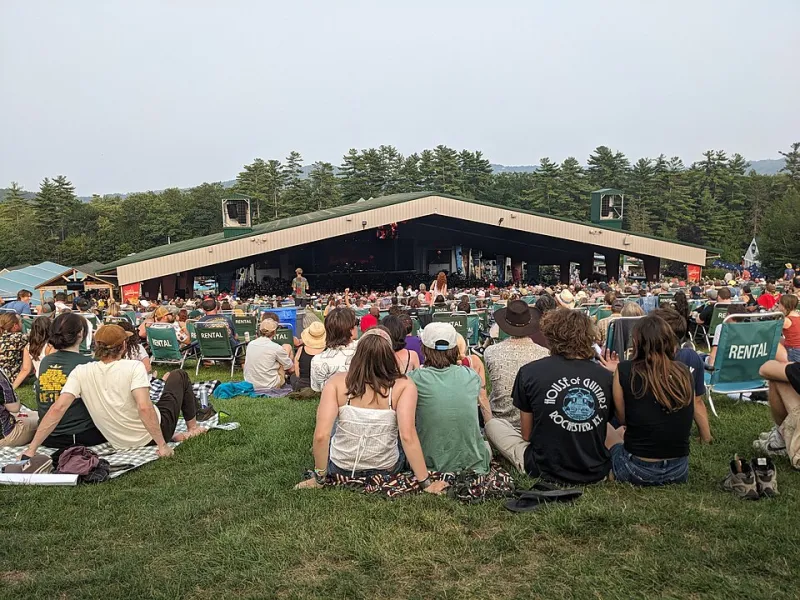
Photo: Artaxerxes, CC BY 4.0, via Wikimedia Commons
Festival passes are marketed as the smart buy. Buy the whole weekend, save per day, and lock in the experience. Sometimes that is true. Sometimes the pass is a $400 permission slip to attend two days, pay for three nights of lodging, and spend Monday recovering from a festival you were too tired to enjoy by Sunday afternoon. The break-even point is not a mystery, but it is also not just the ticket price. In 2026, the math needs to include fees, travel, food, and the very real question of how many days you will actually show up.
The Only Equation That Matters
Start with the all-in cost of the pass and compare it with the all-in cost of the single-day tickets you would actually buy. Not the advertised price. The checkout price. If a three-day pass costs $350 after fees and a single day costs $120 after fees, the pass breaks even at three days. If you only want two days, the pass is a $110 premium unless it includes something you will genuinely use.
That sounds obvious, but most festival shoppers compare the pass to the face value of one day and stop there. Do the full comparison. Add the fees on each single-day ticket, because those fees often hit per ticket and per order. A pass with one fee can beat three separate single-day purchases even when the sticker prices look close.
Fees Are the Hidden Second Ticket
Festival fees are not just service charges. There can be order processing fees, facility fees, payment-plan fees, shipping or mobile delivery fees, and sometimes a wristband activation charge. Single-day tickets may carry their own fees, and buying three separate days can mean paying the order fee three times. Run both carts to the final screen before you decide. If the pass is $40 more than three single days after fees, that is a different decision than a $140 gap.
Also check whether the pass includes camping, shuttle access, or early entry. Those add-ons can swing the math, but only if you use them. A free camping spot is not a saving if you already booked a hotel because you wanted a real shower.
Travel and Lodging Change Everything
This is where the pass often loses. A three-day pass may save $50 on admission and cost $300 more in hotel nights, parking, pet care, and extra meals. If the festival is local, the extra days are mostly time. If it requires a flight, a rental car, and four nights in a city with event-week pricing, the pass is no longer a ticket decision. It is a vacation budget.
Here is a simple way to compare. Price the trip you would take for the pass. Then price the trip you would take for the single day you want most. Include travel, lodging, food, parking, and any time off work. The difference is the real cost of adding days. If that number makes you wince, the pass is not the bargain. It is a bigger commitment wearing a discount sticker.
The Attendance Reality Check
Be honest about how many days you will attend. Festival weekends are physically demanding. Heat, crowds, long walks, and late nights add up. Plenty of people buy three-day passes and attend two days, or one full day and two partial days. That is fine if you planned for it. It is not fine if the entire savings argument depended on a Sunday you will spend in bed.
Look at the day-by-day lineup. If two of your must-see acts play on Saturday, a single-day ticket may be the better buy even if the pass is technically cheaper per day. If your favorites are spread across all three days and you live nearby, the pass earns its keep. The lineup is not just a hype list. It is a schedule for your money.
The Perk Ledger
VIP passes, early entry, lounge access, and priority viewing can be worth it, but only if you will use them. A pass with a lounge you never visit is a pass with a higher price. Make a short list of perks you would actually pay for separately. If the dollar value of those perks plus the ticket savings beats the pass price, it is a reasonable buy. If the perks are just words on a tier chart, ignore them.
A Simple Decision Framework
- Pick the days you would realistically attend.
- Price the pass after all fees.
- Price those same days as single-day tickets after all fees.
- Add travel, lodging, food, and parking for each version.
- Subtract the value of perks you will actually use.
- Compare the totals, not the per-day sticker price.
When the Pass Wins and When It Loses
The pass wins when you will attend all or most days, the lineup is strong across the weekend, you live close enough to avoid a hotel, or the pass includes camping or shuttle service you would otherwise pay for. It also wins when single-day tickets are likely to sell out and you value the certainty.
The single-day ticket wins when you only care about one or two days, when travel and lodging make extra nights expensive, when you cannot commit to a full weekend, or when the pass has transfer restrictions that make resale difficult if plans change. A cheaper per-day price is not a saving if you cannot use the days.
At JDH Ticket, the test is whether you are buying access you will actually use. A festival pass is not automatically the deal, and a single-day ticket is not automatically the cautious choice. Run the three-day math with real numbers, then buy the version that matches your calendar, your budget, and your actual energy level. Your Seat. Your Event. Done. Even when the event lasts all weekend.