Why Live Tickets Keep Getting Pricier—And Where the Market Goes From Here
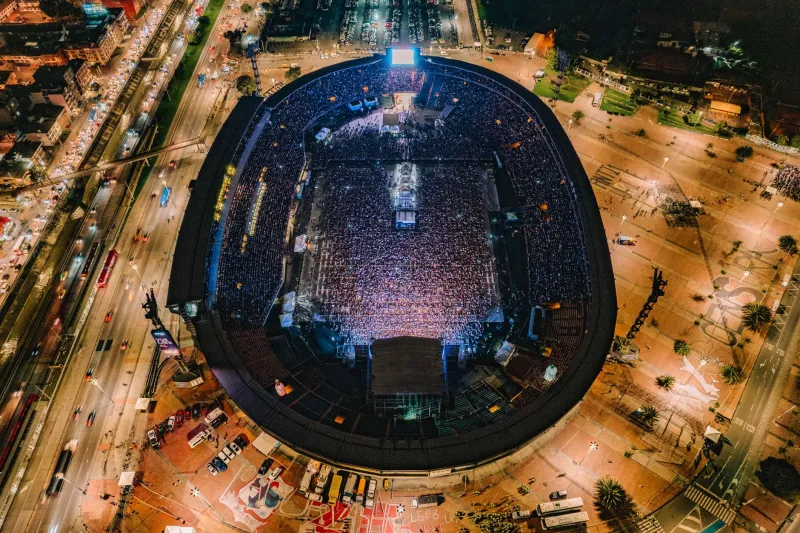
Not long ago, you could catch a solid arena show for under a hundred bucks without much effort. These days, that same ticket in the same building might run two or three times that—and that's before the fees hit. Something has fundamentally changed about the economics of live entertainment, and it's not just inflation.
To understand where ticket prices are going, you have to understand why they got here in the first place.
Streaming Changed the Math for Artists
When streaming platforms flattened recorded music revenue, something had to give. For most artists—outside of a handful of superstars—recorded music stopped being a reliable income source and became more of a promotional vehicle. The money moved to touring.
That shift didn't just affect artists. It changed the entire incentive structure of the live music industry. Promoters who once competed to book acts for reasonable fees started dealing with artists who needed touring to actually sustain their careers. Guarantees went up. Production budgets expanded. And those costs got passed downstream—eventually landing on the ticket buyer.
Sports franchises experienced a parallel shift. As broadcast rights deals became increasingly lucrative, teams found themselves with less urgency to keep ticket prices accessible—the stadium revenue started to feel like a bonus rather than the primary income stream. That dynamic created room to push premium pricing further than fans had previously seen.
The Post-Pandemic Premium
The pandemic forced a two-year pause on live events and, in a strange way, recalibrated what fans were willing to pay to be in a room with other people.
When venues reopened, demand didn't just return—it surged. Artists who had been off the road for two years came back to audiences who had spent the pandemic binge-watching concerts on streaming platforms and reminding themselves how much they missed the real thing. Promoters read that demand correctly and priced accordingly.
What nobody fully anticipated was how sticky those elevated prices would turn out to be. Fans grumbled, but they kept buying. And once a price floor gets established in a market, it rarely retreats voluntarily.
There's also a supply dynamic at play. The number of major touring artists, top-tier sports franchises, and headline festival slots hasn't grown proportionally with demand. When supply is constrained and demand is high, prices go up. That's not a conspiracy—it's just how markets behave.
Dynamic Pricing and the New Normal
One of the most significant structural changes in ticketing over the last five years has been the normalization of dynamic pricing—also called market-based pricing or demand-based pricing, depending on who's trying to make it sound more palatable.
Dynamic pricing means ticket prices fluctuate in real time based on demand signals, similar to how airline or hotel rates work. Ticketmaster rolled out its Platinum Tickets model partly on this logic. The idea, from the industry's perspective, is that if a seat is going to end up on resale for $400 anyway, why shouldn't the original seller capture some of that value?
From a fan's perspective, it means the price you see when you first click into a sale might be significantly higher—or lower—than what's available an hour later. It adds unpredictability and erodes the idea that face value is a stable, fair price. For casual fans trying to plan a night out, that uncertainty is genuinely frustrating.
Expect dynamic pricing to expand, not contract. The economics are too favorable for venues and promoters to walk it back.
Emerging Ticket Categories Worth Watching
As live events compete harder for consumer attention and dollars, the experience itself is being repackaged in new ways.
Hybrid event packages are one of the more interesting developments. Some major festivals and sports organizations are experimenting with tiered access models where a base ticket gets you in the door, but premium add-ons—exclusive viewing areas, artist meet-and-greet access, curated food and beverage packages—are sold separately. This unbundling lets promoters capture more revenue per attendee without raising the headline ticket price.
Premium digital access is still finding its footing. During the pandemic, virtual concert tickets generated real revenue for some artists. Post-pandemic, that market has cooled considerably—most fans who had the option to attend in person chose to do so. But for major events with global fan bases, premium livestream packages with multi-camera access, behind-the-scenes content, and interactive elements are being tested as a genuine revenue tier. Whether this becomes a meaningful part of the market depends on whether promoters can make the digital experience feel worth paying for, not just a consolation prize.
Subscription and membership models are another frontier. Imagine paying a monthly fee for guaranteed access to a presale queue, or a season-long pass to a venue's programming. A few organizations have piloted versions of this. The challenge is delivering enough consistent value to justify the recurring cost for casual fans—not just the die-hards.
Where Prices Actually Land in the Next Few Years
Here's the honest forecast: ticket prices are not coming down significantly in the near term. The structural forces pushing them up—artist revenue dependence on touring, dynamic pricing adoption, post-pandemic demand normalization—are all still in play.
What's more likely is a bifurcation of the market. Premium and VIP tiers will continue to push upward, capturing fans willing to pay for elevated experiences. At the same time, competitive pressure from streaming and other entertainment options will keep some pressure on base-tier pricing for mid-level events. The middle of the market—standard floor and lower-bowl tickets for major shows—is where the most volatility will continue.
For fans, the practical implication is this: the events you really care about are going to cost real money, and that's unlikely to change. The smartest approach is to be deliberate about which events justify the premium, understand the timing dynamics of resale markets, and stop expecting face value to feel like a bargain.
Live events are still worth it—that's why people keep showing up. But going in clear-eyed about the economics means fewer surprises when you hit checkout.