The Empty Seat Tax: Running the Break-Even Math on 2026 Season Tickets

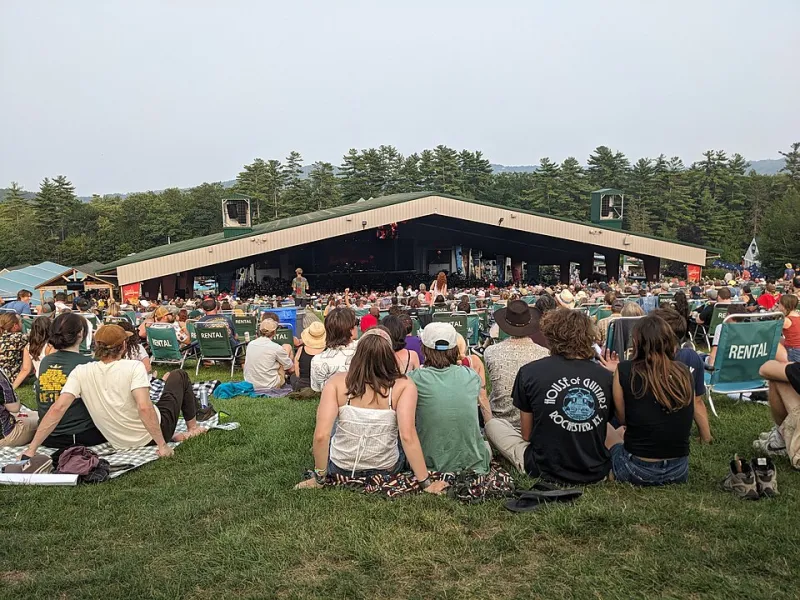
Photo: Spielvogel, CC BY-SA 4.0, via Wikimedia Commons
Every season package comes with the same sales pitch: lock in your seat, beat the resale market, get playoff priority. Some of that is true. But a season ticket isn't a discount, it's a commitment — and the only number that decides whether it's a good deal is how many of those games you'll actually show up for.
So let's run the math the way you'd run it in a spreadsheet at 11 p.m., not the way it appears on the renewal email.
The break-even formula nobody puts on the invoice
Total season cost ÷ all-in cost of one comparable single game = break-even games.
Total season cost means everything: face value per seat, per-ticket fees, account or membership fees, parking if it's bundled, and any seat license or deposit you're on the hook for. All-in single-game cost means what you'd actually pay on a Tuesday in March for the same section — not the box office face value, which is often the least realistic number in the building.
Here's the shape of it across the four big sports:
| League | Home games | Typical package size | What usually kills the math |
|---|---|---|---|
| MLB | 81 | 20, 40, or full | Weeknight games with near-zero resale value |
| NBA | 41 | Full or half (20-21) | Back-to-backs and midweek games against bad teams |
| NHL | 41 | Full or half | Same as NBA, plus weather no-shows |
| NFL | 8 regular + 2 preseason | Full only | Preseason games you can't give away |
| MLS | 17 | Full | Fewer games means less margin for error |
A worked example, so it's not abstract
Say you're looking at an NBA lower-level package. Face value is $95 a seat across 41 games — about $3,895 — plus roughly $250 in fees, so call it $4,145 for the pair of hands you need to clap with.
Now price the alternative. Comparable seats on the single-game market average $130 all-in when you account for premium nights against the cheap ones. So:
$4,145 ÷ $130 = about 32 games.
You need to attend — or successfully sell — 32 of 41 home games just to match what you'd have spent hand-picking the best 20. That's 78 percent attendance. Count the weeknights on your actual calendar. Most people land somewhere between 15 and 22.
Run the same math for a half-season MLB package: 40 games at $45 face plus fees comes out near $1,900. Single games in that section run about $55 all-in on the secondary market. Break-even is around 35 games. Good luck with the Tuesday in April against a team that's already out of it.
The costs that never make the brochure
- Preseason games. NFL packages include them, and the resale value is roughly the price of a soft pretzel. Two of your ten games are essentially a donation.
- Seat licenses and deposits. If a personal seat license or refundable deposit is part of the deal, amortize it or you're lying to yourself about your cost per game.
- Playoff strips. Some packages require a deposit for playoff tickets you may never use, held for months.
- The sell problem. Selling tickets you can't use doesn't return face value. After platform fees and the discount you'll accept to move a Wednesday game, expect to recover somewhere in the 55-to-75 percent range on the games nobody wants.
- Your time. Driving to a ballpark on a school night has a cost that doesn't show up in the ledger.
The honest attendance test
Don't estimate. Open your calendar and count the specific dates where you are genuinely free, within a reasonable drive, and not recovering from something. Compare that count to the break-even number. If your real number is below break-even by more than a game or three, single-game buying wins — and you keep the flexibility to go when the team is actually good.
If your real number clears break-even comfortably, the season package starts doing real work: same seat, same neighbors, playoff priority, and no more scrolling seat maps at midnight.
Three fan profiles, three verdicts
The diehard who goes anyway. You're at 30-plus games a year in all weather. Season tickets make sense, especially if presale priority matters to you — that's a perk with real cash value come playoff time, even though it never shows up on the invoice.
The social fan. You want to go a dozen times a year with different people. Don't buy a full package. Split a half-season with three friends, draft the games in August, and rotate. You get a locked seat and only carry the dates you actually want.
The sampler. You go when it's worth going — rivalry games, playoff pushes, a visiting star. Single-game buying is correct for you, full stop. Pay the premium on the three nights that matter and skip the twenty that don't.
Where the commitment actually pays
Season tickets beat single-game buying when three things are true at once: you clear the attendance threshold, the package includes a perk you'd pay cash for anyway, and the section holds resale value so your unused tickets aren't dead weight. Miss any one of those and you're not buying a discount. You're prepaying for empty seats.
Do the division before you do the deposit. It takes four minutes and it's the only part of the renewal email that tells the truth.