Small Stages, Real Savings: Why Fans Are Choosing Intimate Venues Over the Big Arena Experience
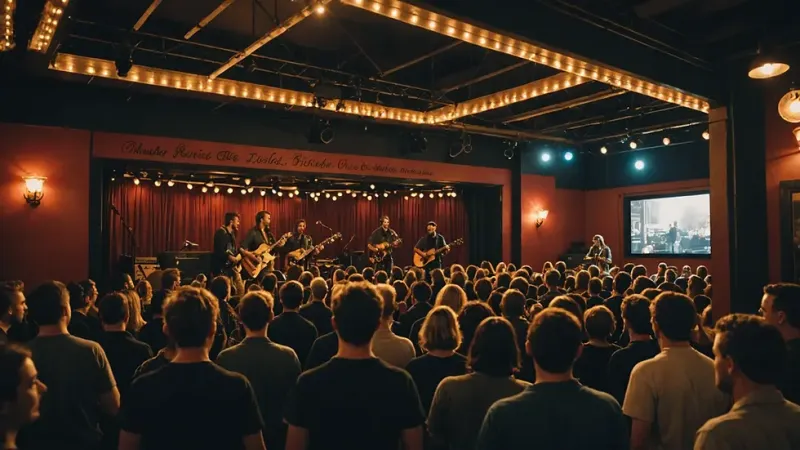
Photo: intimate small music venue concert crowd stage, via static.wixstatic.com
Something is shifting in the live entertainment world, and it's happening from the ground up. Fans who used to budget two or three hundred dollars for a major arena show are increasingly asking a different question: what if I just didn't do that?
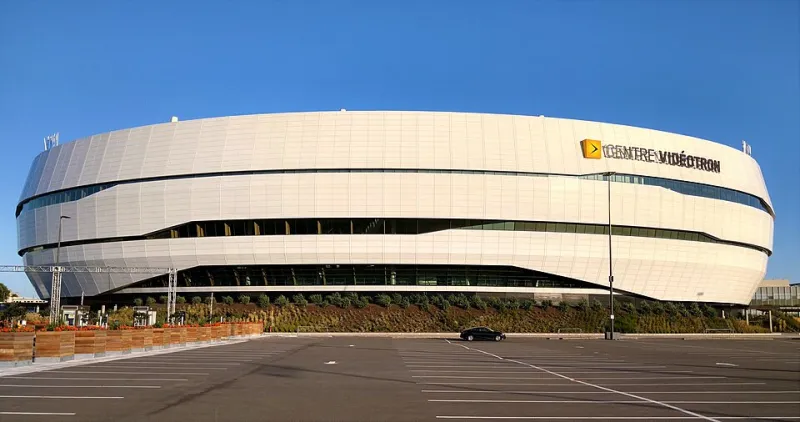
Not what if I stayed home — but what if I went somewhere else instead? A smaller theater. A regional festival. A club show from an emerging act. The big-venue experience, with its $35 parking, $18 beers, and $50 service fees, is starting to lose fans to a different kind of night out. And the numbers are starting to tell that story.
The Breaking Point Was Pricing — But It's Become Something More
Let's be honest about where this started. Ticket prices for major tours have climbed dramatically over the past few years, and the fan backlash to high-profile sale disasters — sold-out shows, crashing websites, dynamic pricing spikes — lit a fuse that had been burning for a while. When fans started doing the real math on what a stadium show actually costs by the time you add fees, travel, and concessions, a lot of them didn't like what they found.
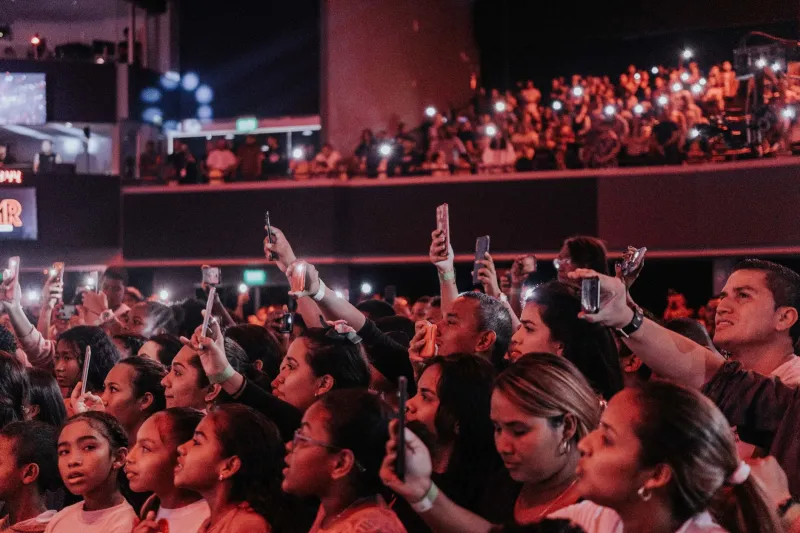
But something interesting happened as fans started exploring alternatives: they discovered they actually liked them. A 1,500-capacity theater has sightlines that a 20,000-seat arena can't touch. The sound is different — often better. The crowd energy is more concentrated. You can actually see the artist's face without a jumbotron.
The migration toward smaller venues isn't purely financial anymore. For a meaningful segment of live event fans, it's become a genuine preference.
What the Numbers Actually Look Like
Let's put some real figures on this, because the savings argument only holds up if the math checks out.
A floor ticket to a major arena tour in 2024 might run $150 to $250 at face value — and that's before fees, which routinely add 25 to 35 percent on top. Add parking ($25–$40 in most cities), a couple of drinks ($15–$20 each), and maybe a T-shirt ($45), and you're easily looking at $300 to $400 for one person for one night.
Contrast that with a club or theater show. A ticket might be $35 to $75. Service fees at smaller venues — especially those with independent box offices — tend to be lower, sometimes a flat $5 to $10. Parking is often cheaper or walkable. Drinks at a smaller venue bar are closer to regular bar prices. Total cost for the night? Often $80 to $150. For the same genre of music. Sometimes for an artist you like just as much.
That gap is real, and fans are noticing it.
The Artist Side of the Equation
Here's where it gets interesting from an industry perspective: smaller venues aren't just benefiting fans. They're also becoming a more deliberate strategic choice for certain artists.
Some mid-tier and legacy acts are explicitly choosing theater-sized venues over arenas — not because they can't fill the bigger room, but because the economics and experience work better at that scale. Ticket prices can be kept more accessible, the show sells out quickly (creating genuine demand), and the artist gets to play a more intimate, high-energy room.
For emerging acts, small venues are the proving ground they've always been — but now fans are showing up with a different mindset. Instead of treating a club show as a stepping stone to "real" concerts, more people are treating it as the destination. That's a cultural shift worth paying attention to.
Regional Events Are Having a Moment
Beyond individual venue choices, there's a broader trend toward regional festivals and local events that deserves mention. Multi-day regional festivals — not the massive, nationally marketed ones, but the mid-size events that serve a metro area or region — have seen attendance growth as fans look for value-packed alternatives to single expensive shows.
A regional festival might offer two days of live music across multiple stages for $120 to $180 total. That's a better per-hour-of-entertainment value than most arena single-night tickets, and you're discovering new artists in the process. Regional sports events — minor league baseball, NBA G League games, USL soccer — follow a similar logic. The product is genuinely good, and the ticket price reflects a reality closer to what fans are actually willing to pay.
Is This Trend Sustainable?
That's the real question. There are a few forces that could limit how far this migration goes.
First, not every fan has equal access to smaller venue options. In major metros like New York, Chicago, LA, or Austin, the small venue scene is rich and varied. In smaller markets, the choice between a big arena show and nothing at all is a more frequent reality. The "just go to a club show" advice only works if there are club shows to go to.
Second, the artists who anchor major tours still draw fans who want to see them, full stop. If Taylor Swift or Beyoncé isn't playing a 1,200-capacity theater, the fans who want that specific experience don't have a meaningful alternative. The small venue trend doesn't solve the problem of blockbuster demand.
Third, smaller venues aren't immune to pricing pressure. As demand for intimate shows grows, some operators will inevitably raise prices to match. The economics of scarcity work the same way at 1,000 seats as they do at 20,000.
What This Means for How You Buy
If you're someone who's started feeling like the big arena experience isn't delivering the value it used to, you're not alone — and you're not wrong. The small venue alternative is real, it's often significantly cheaper, and for a lot of events, it's a genuinely better night out.
At JDH Ticket, we track events across the full spectrum — from stadium tours to intimate theater shows to regional festivals. Our take is simple: the best event for you is the one that fits your budget and delivers the experience you're actually looking for. Sometimes that's the floor at a sold-out arena. Sometimes it's the third row at a 800-seat theater for a third of the price.
Know what you value. Shop accordingly. Your seat is out there — and it might be smaller than you expected.