Cracking the Code: How Venues Decide Which Seats Drop First — and When
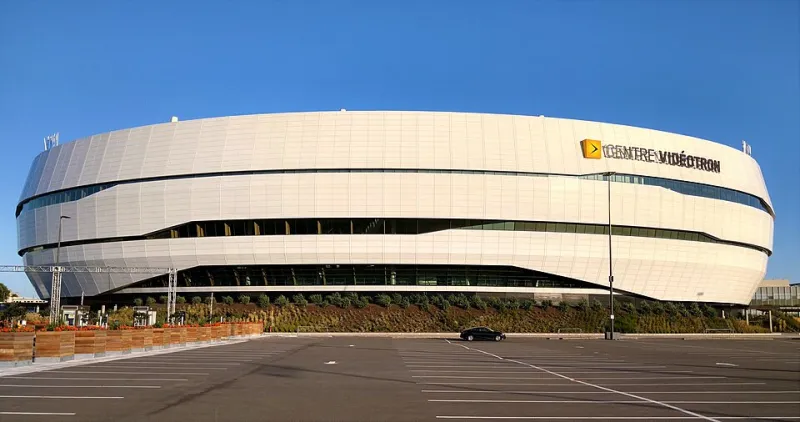
Photo: Dave Paige, CC BY-SA 4.0, via Wikimedia Commons
You hit refresh at exactly 10:00 a.m. The page loads. Floor seats? Gone. Lower bowl? Gone. You end up in the upper deck, wondering how 20,000 tickets disappeared before your browser even finished loading. Then, three days later, your buddy texts you a screenshot — there are suddenly great seats available for the same show. What just happened?
This isn't a glitch. It's a system. Venues and ticketing platforms run what's basically a revenue management playbook, and once you understand the logic behind it, you can stop being caught off guard.
The Inventory Isn't Released All at Once — On Purpose
The first thing to understand is that venues almost never put their full seat inventory on sale at the same time. A typical arena show might have 15,000 to 20,000 seats, but on day one of public sale, you might only see 6,000 to 8,000 of them available. The rest are being held back.
Where do those seats go? A few places:
- Artist holds: The touring act typically reserves a block of tickets — sometimes 10 to 20 percent of the house — for fan club presales, VIP packages, meet-and-greets, and promotional giveaways.
- Venue holds: The building itself keeps a cut for sponsors, suite holders, season ticket members, and internal comp lists.
- Promoter holds: The company producing the event holds seats for media, industry guests, and last-minute deals.
- Broker pre-allocation: Yes, some venues quietly pre-sell blocks to licensed resellers before the general public ever gets a crack.
What you see on sale day is essentially the remainder after all those buckets are filled.
The Algorithm Is Real — and It's Watching Demand
Modern ticketing platforms use dynamic pricing engines that monitor demand in real time. The moment a show goes on sale, the system is tracking how fast seats are moving, which price points are selling, and where people are hesitating. Based on that data, it adjusts.
If floor seats sell out in four minutes, the algorithm flags this as high-demand. It may automatically raise prices on remaining comparable inventory or hold back the next tier to release at a premium later. This is why you'll sometimes see a section listed as "unavailable" on day one, only to find it magically reappear at a higher price point a week later.
It's not that seats opened up — it's that the system decided the market could bear a higher number, and now it's testing that theory.
The Release Windows You Should Know About
Venues and promoters have a fairly predictable pattern of secondary releases. Knowing these windows gives you a real edge.
1. Presale windows (3–7 days before public sale): Artist fan clubs, credit card partners like Citi or Amex, and venue loyalty programs each get their own presale codes. These often include seats pulled from the artist hold. Sign up for everything. Yes, it's annoying. It's also how you get floor seats before the general public.
2. The week-two release: About 7 to 14 days after the initial on-sale, venues begin releasing held inventory that wasn't claimed by sponsors or industry contacts. This is often the sweet spot for mid-tier seats — lower bowl, side floor, club sections — at face value.
3. The 30-day mark: If a show is selling well but not completely sold out, promoters sometimes release a second wave of premium inventory at this point to capitalize on momentum. This is when you'll often see "newly released" floor or pit sections pop up.
4. The final week: As the event approaches, remaining artist and venue holds get released to the general pool. This is when you might suddenly see great seats appear — but prices are typically at their highest because demand is peaking.
How to Actually Game This
You don't need insider access to work these release windows. You just need a strategy.
Set up alerts. Most major ticketing platforms let you create alerts for specific events. When new inventory drops, you'll get notified. Don't rely on manually checking — automate it.
Check on Tuesday and Wednesday mornings. Industry data consistently shows mid-week morning releases are common because venues are clearing internal holds after weekend administrative reviews.
Don't assume sold out means gone. "Sold out" on the primary ticketing site often just means the initial public allocation is exhausted. Held inventory can still come back. Check back at the two-week and 30-day marks.
Watch the venue's own box office. Occasionally, venues hold a small number of walk-up tickets that never appear online. It's old-school, but calling the venue directly or checking their website's box office section sometimes reveals inventory that isn't listed on third-party platforms.
Track price trends on resale. If resale prices are dropping steadily as the event approaches, it's a signal that supply is loosening. If they're rising, primary releases become more valuable. Use that trend to decide whether to buy now or wait.
The Bottom Line
Venues aren't randomly releasing seats — every drop is a calculated decision based on demand signals, contractual obligations, and revenue targets. The fans who get the best seats at the best prices aren't just lucky; they understand the system and position themselves accordingly.
At JDH Ticket, we think you deserve a seat that fits your budget and your expectations. Knowing when and why inventory moves is the first step to making that happen. Your seat is out there — sometimes you just have to know when to look.