The Phantom Seat Playbook: How Venues and Brokers Keep You Chasing Tickets That Were Never Really There
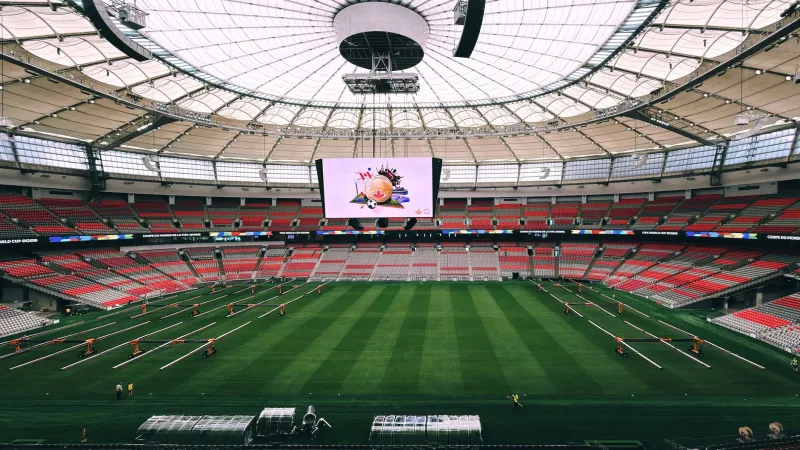
You've been there. You pull up the seating chart, spot a gorgeous cluster of seats in Section 112, row F — right on the aisle, close enough to see the setlist sweat drip off the guitarist's forehead. You click. You get excited. And then, somewhere between "Add to Cart" and "Enter Payment Info," those seats are just... gone. Replaced by something worse at a higher price.
This isn't a glitch. It's a feature.
The modern ticket-buying experience is built on a foundation of manufactured urgency, misleading maps, and inventory that exists more in theory than in practice. If you want to stop getting played, you need to understand how the game actually works — and then make smarter calls when you're shopping on platforms like JDH Ticket.
What "Sold Out" Actually Means (Hint: It's Complicated)
When a section shows as sold out within minutes of a sale going live, your first instinct might be to blame bots or scalpers. And sure, that's part of it. But there's a less-discussed layer underneath: held inventory.
Venues routinely hold back significant chunks of tickets — sometimes 30 to 50 percent of the house — for sponsors, fan club presales, artist comps, media, suite holders, and promotional partners. Those seats aren't gone. They just haven't entered the public market yet.
The result? A seating chart that looks mostly sold out, creating the illusion that only a few remaining options exist. That artificial scarcity pushes buyers toward whatever is available, often at inflated prices, because the psychological pressure of "get it now or lose it" kicks in hard.
So when Section 404 shows as unavailable at noon on sale day, it doesn't necessarily mean 400 people beat you to it. It might mean those seats were never in the pool you were shopping from in the first place.
The Seating Chart Is a Marketing Tool, Not a Map
This one stings a little, but it's worth saying plainly: the interactive seating charts you see on most ticketing platforms are not neutral, objective representations of a venue. They're designed to guide your attention and behavior.
Here's what that looks like in practice:
- Sections shown as "available" may have only one or two tickets left, creating a false sense of abundance across the chart while actual options are razor thin.
- Pricing tiers are often displayed in ways that make mid-range seats look like deals compared to premium sections, even when the mid-range seats have poor sightlines or awkward angles.
- 3D seat view tools, while helpful in theory, frequently use outdated or idealized renderings that don't reflect real obstructions like support columns, speaker rigs, or camera platforms.
- "Recommended" seat badges are sometimes algorithmically tied to margin, not quality — meaning the platform is nudging you toward whatever makes the most financial sense for the seller.
None of this is illegal. But it does mean you should approach the seating chart the way you'd approach a car dealership's sticker price: as a starting point for your own research, not a final answer.
Red Flags to Watch for When You're Booking
Once you know what to look for, the warning signs are everywhere. Keep an eye out for these when you're shopping for tickets:
The cart timer pressure cooker. That countdown clock telling you your seats are "held for 8 minutes" is almost always a nudge to stop thinking critically and just buy. In most cases, if you abandon the cart, the same or comparable seats will still be available moments later.
Suspiciously specific "last available" labeling. If a section suddenly shows "Only 2 Left!" but was showing 20 available ten minutes ago, check back in a few minutes. Inventory refreshes frequently as held tickets are released or other buyers abandon their carts.
Sections that never seem to open up. If a particular section stays greyed out across multiple sale windows — general sale, presale, fan club — it's almost certainly held inventory that will either be released closer to the event date or sold through a separate channel entirely. Don't chase it. Work around it.
Resale listings mixed into primary inventory without clear labeling. Some platforms blend primary and resale tickets in the same view. A seat listed at $180 in what looks like the standard sale might actually be a resale ticket with a markup already baked in. Always check the ticket source before completing a purchase.
So What Should You Actually Buy?
Here's the practical framework: stop optimizing for the idea of a great seat and start optimizing for verified value.
Check the venue layout independently. Before you open any ticketing platform, look up the venue's official website or a fan forum for that specific arena or stadium. Get a real sense of which sections have obstructed views, which ones are under overhangs with bad sound, and which ones punch above their price point. For major arenas, sites like Concert Hopper and various Reddit communities dedicated to specific venues are goldmines.
Target the sections nobody's talking about. The floor and first ten rows get all the hype, but mid-lower bowl sections slightly off-center often deliver a significantly better experience than their price suggests. You're close enough to feel the energy, but not so close that the stage setup blocks your view of half the performance.
Be patient with inventory. If you miss out during the initial sale rush, don't panic-buy from a reseller at 3x face value. Held inventory typically hits the market in waves — closer to the event date, you'll often see better seats at lower prices as venues and promoters release their reserved blocks.
Use price history where available. On JDH Ticket, checking how prices have shifted over time for a given event gives you real leverage. If a section was listed at $95 last week and is now at $140, you know you're either in a demand spike or someone's fishing. Either way, you can make a more informed call.
The Bottom Line
The "perfect seat" you're chasing on a seating chart is often a combination of smart marketing and incomplete information. Venues hold inventory strategically. Charts are built to guide behavior, not just display facts. And the urgency you feel when a section disappears is frequently manufactured.
That doesn't mean great seats don't exist — they absolutely do. It just means finding them requires a little more skepticism and a little less impulse clicking.
Your seat is out there. Just make sure you're buying the real thing, not a placeholder that was never meant for you.