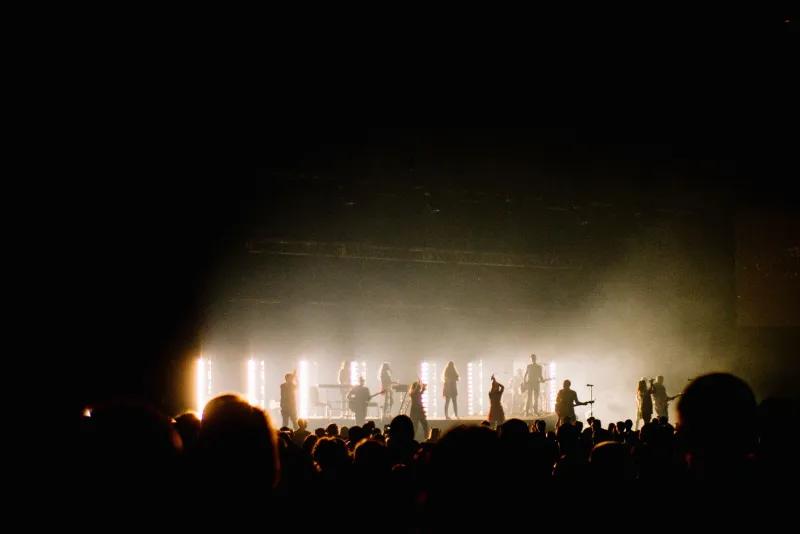
Front Row or Nosebleed? Here's How to Pick the Seat That Actually Fits Your Vibe
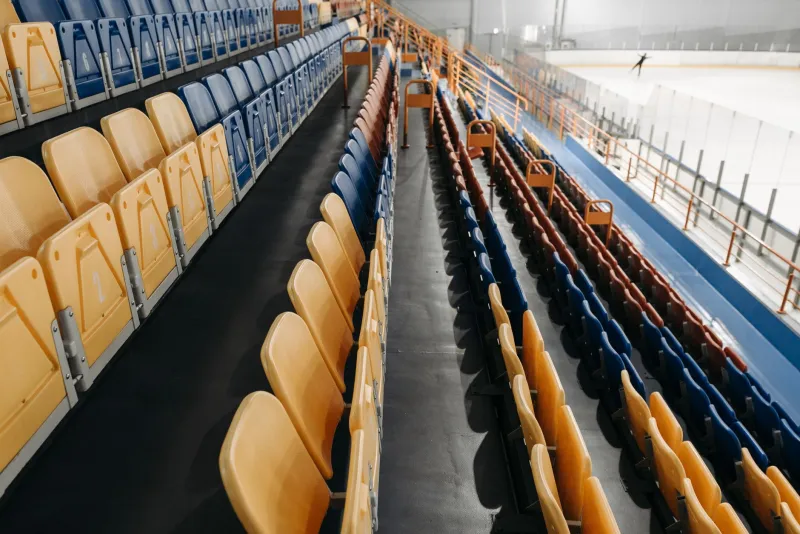
Let's be honest — most people buy tickets based on two things: price and availability. If it's cheap and it's open, it's getting purchased. But that approach leaves a lot on the table. The seat you land in shapes your entire experience, from how well you can see the stage to whether the bass from the speakers rattles your chest or sounds like it's coming through a pillow.
At JDH Ticket, we've seen enough events to know that a $60 seat can outperform a $200 one if you know what you're looking for. So let's break it down — venue by venue, event by event — so you walk into your next show with confidence.
Understanding the Basic Anatomy of a Venue
Before you can pick the right seat, you need to understand how venues are actually laid out. Most large-scale arenas and stadiums are divided into a few key zones:
- Floor/Pit: Ground-level seating (or standing) closest to the stage or field. Maximum energy, but often obstructed views depending on crowd height.
- Lower Bowl: The first tier of fixed seating above the floor. Generally considered the sweet spot for most events.
- Club Level: A mid-tier section, usually with premium amenities like wider seats, better food options, and sometimes indoor lounges.
- Upper Bowl/Nosebleeds: The highest sections. Worst for detail, but often the best for a full panoramic view — and your wallet will thank you.
Smaller theaters and amphitheaters have their own layouts, but the same principles apply: elevation, distance, and angle are your three core variables.
What Are Sightlines and Why Do They Matter?
Sightlines refer to the unobstructed line of vision between your seat and the focal point of the event — the stage, court, or field. A great sightline means nothing is blocking your view. A bad one means you're craning your neck around a support pillar or watching the jumbo screen more than the actual action.
When browsing tickets, always check whether the listing notes any obstructions. Many platforms (including interactive seat maps) will flag restricted-view seats. Don't skip that fine print. A seat labeled "partial view" is basically a warning label.
For concerts specifically, sightlines are especially important for floor seating. Being ten rows back on the floor at a packed show can mean staring at the back of someone's head for two hours. Meanwhile, a slightly elevated seat in the lower bowl — even off to the side — might give you a much cleaner look at the full production.
Concerts: Where Should You Actually Sit?
It depends on what you're after. If you want to feel the energy of the crowd and get close to the artist, floor/pit is your zone — just accept that it'll be tight, loud, and unpredictable (in the best way). General admission floors are especially wild; get there early if you want a good spot.
If you care about production value — light shows, stage design, pyrotechnics — step back. The lower bowl, specifically sections angled toward the center of the stage, gives you the best overall picture. Think of it like watching a movie: too close and you're only seeing part of the screen.
For smaller venues like theaters or clubs, the first five to ten rows can actually be ideal since the stage is lower and the room is intimate. At a 500-person club, "back of the room" is still pretty close.
Pro tip: For general admission shows, center-rear floor is often underrated. You get the full stage view without being crushed against the barricade.
Sports Events: Angles and Elevation Change Everything
Sports venues add another layer of complexity because the action moves. For basketball and hockey, you want to be close enough to read plays — but too close and you're watching the near side of the court/ice while missing the far end entirely. Mid-level seats between the blue lines (hockey) or between the baselines (basketball) offer the most complete view of the game.
For football, elevation matters more than proximity. High up and between the 30-yard lines is often considered the best football seat in the house. You can actually see formations develop, which you absolutely cannot do from the end zone, no matter how cheap those tickets are.
Baseball is the most forgiving of the major sports for seat selection. The game's pace and layout mean nearly every seat offers a solid experience — though first and third base lines give you the most action at the plate and in the field simultaneously.
Acoustics: The Invisible Factor Most People Ignore
Sound matters. A lot. Especially at concerts. Hard-walled arenas can create echo problems that muddy the audio, while outdoor amphitheaters often have surprisingly crisp sound even toward the back. Theaters built specifically for performances — like Broadway houses or concert halls — are engineered for acoustics, meaning even the back rows can sound phenomenal.
In general, avoid seats directly beneath overhanging upper sections. The roof cuts off the sound before it fully develops. Seats on the sides of arenas can also experience delayed audio if the speaker arrays aren't perfectly calibrated. Center sections, at any level, tend to get the most consistent sound mix.
Budget Seats That Actually Deliver
You don't need to spend big to have a great time. Here are a few underrated picks:
- Upper bowl, center sections: You lose intimacy but gain the full picture — great for visually rich productions.
- Side stage (lower bowl): Often significantly cheaper than center, but still close to the action. Just be aware you might see the artist's back during certain moments.
- Obstructed view seats at smaller venues: Sometimes the obstruction is minor (a thin pillar at the edge of your view) and the savings are real.
The Bottom Line
Choosing a seat isn't just about what you can afford — it's about matching the experience you want to the actual geography of the venue. A little research before you buy goes a long way. Check the seat map, read the section notes, and think about what matters most to you: proximity, acoustics, sightlines, or full-picture production value.
At JDH Ticket, we make it easy to compare sections and find the seat that fits your night — not just your budget. Your seat. Your event. Done right.